

Concerns We Support Through EMDR Therapy
Healing does not always start with having the right words
People often begin therapy carrying experiences they have not fully made sense of yet.
Sometimes what brings someone to therapy feels clear. Other times it feels harder to describe.
You may notice anxiety that never fully turns off, feeling emotionally disconnected, sadness that lingers, patterns in relationships that repeat, or simply a sense that something feels harder than it should.
At EMDR Wisconsin and Lakeside Counseling Center, we provide virtual EMDR therapy throughout Wisconsin and in person EMDR therapy in Madison and Eau Claire for children, adolescents, and adults.
Our clinicians use EMDR as one possible approach to support healing while recognizing that every person’s experience, goals, and pace are different.
You do not need to know whether EMDR is the right fit before reaching out.

Trauma and PTSD
Trauma can affect the way we relate to ourselves, our bodies, relationships, and the world around us.
Some people seek therapy after a specific event. Others recognize that difficult experiences accumulate over time.
EMDR may support people experiencing intrusive memories, emotional overwhelm, avoidance, nervous system activation, or feeling disconnected from themselves.

Anxiety
Anxiety can look different from person to person.
For some, it feels like racing thoughts and constant worry.
For others, it feels physical, such as tension, restlessness, difficulty slowing down, or feeling on edge.
EMDR may support people in understanding and processing experiences that continue contributing to anxiety in the present.

Depression
Depression is often more than sadness.
It can feel like emotional exhaustion, disconnection, self criticism, numbness, hopelessness, or feeling unlike yourself.
EMDR may help explore experiences and beliefs that continue contributing to depressive patterns while supporting greater emotional flexibility and connection.

Social Anxiety
Social anxiety can feel exhausting and isolating.
You may find yourself replaying conversations, avoiding opportunities, worrying about judgment, or feeling pressure to get everything right.
EMDR may support healing around experiences and beliefs that continue making social situations feel emotionally unsafe.

Childhood Experiences That Continue Into Adulthood
Many adults seek therapy not because childhood was obviously traumatic, but because they notice patterns that continue showing up in relationships, emotions, boundaries, confidence, or self worth.
EMDR may help people process experiences while building greater compassion and flexibility in the present.

Teens and Children
Children and adolescents often communicate emotional experiences differently than adults.
Stress may appear as behavior changes, worries, emotional intensity, school concerns, shutdown, or difficulty connecting.
EMDR can be adapted developmentally and often incorporates creativity, caregiver involvement, and thoughtful pacing.

Dissociation
Some people respond to overwhelming experiences by disconnecting emotionally, mentally, or physically.
This might look like feeling numb, detached, checked out, or struggling to feel fully present.
EMDR can be adapted carefully and intentionally for individuals experiencing dissociation.

Pregnancy, Birth, and Perinatal Experiences
Pregnancy, postpartum transitions, fertility experiences, medical complications, and loss can carry emotional impacts that are often difficult to describe.
EMDR may support people in processing experiences while reconnecting with themselves and their relationships.
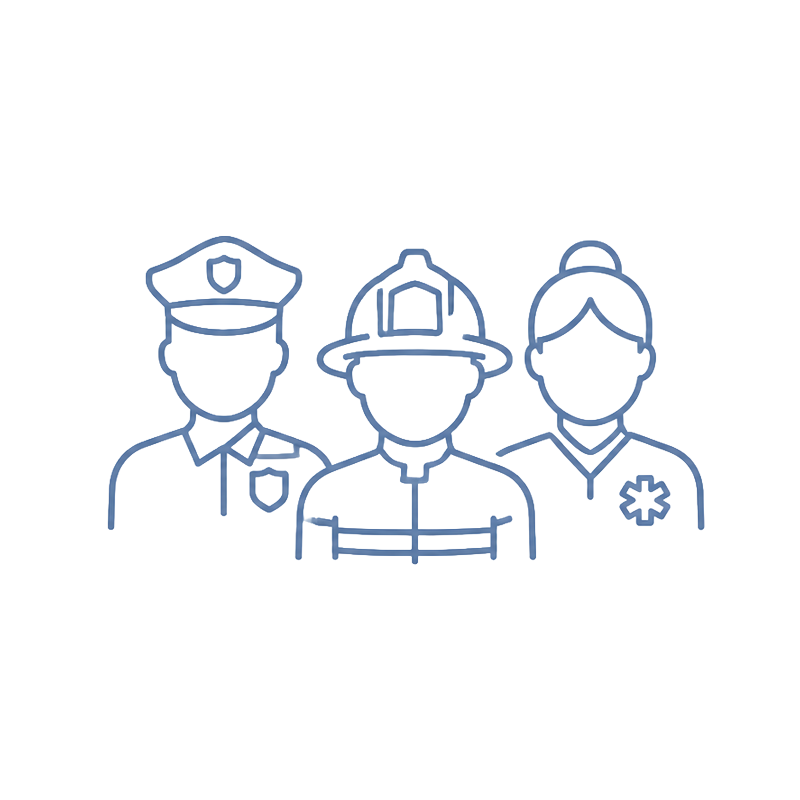
First Responders
First responders often carry repeated exposure to stress and difficult experiences while continuing to care for others.
EMDR may provide support in processing both individual events and cumulative experiences over time.

Burnout and Chronic Stress
When functioning stops feeling sustainable
Not all stress comes from trauma.
Sometimes people come to therapy because they have been holding too much for too long.
Burnout can affect emotions, relationships, energy, concentration, identity, and the ability to feel present in everyday life.
You may notice:
Feeling emotionally exhausted
Difficulty recovering after rest
Irritability or numbness
Constant mental load
Feeling disconnected from yourself
Reduced enjoyment or motivation
Pressure to keep performing despite exhaustion
EMDR may help people explore experiences, beliefs, expectations, and nervous system patterns that continue contributing to burnout.
For some people, burnout is connected to caregiving, professional responsibilities, perfectionism, chronic stress, relationship dynamics, or longstanding patterns of putting others first.
Our goal is not simply to help people push through.
Our hope is to support healing in a way that feels sustainable.

Grief, Loss, and Life Transitions
Some experiences do not fit neatly into categories.
People often seek therapy while navigating:
Loss
Relationship changes
Identity shifts
Parenthood
Career transitions
Major decisions
Medical experiences
Periods of uncertainty
EMDR may help create space to process experiences and move toward greater flexibility and connection.
EMDR Intensives
Extended EMDR sessions (also called EMDR intensives) allow you and your clinician to stay with important therapeutic work rather than repeatedly starting and stopping because the appointment is ending.
An EMDR Intensive may be appropriate for individuals seeking support related to:
Trauma and PTSD
Childhood experiences
Anxiety and panic
Burnout and chronic stress
Grief and loss
Medical trauma
Relationship and attachment wounds
Performance barriers
Major life transitions
First responder experiences
Difficult experiences that continue to feel unresolved
Every intensive is individualized. Your clinician will help determine what can be safely and appropriately addressed within your time together.

Finding the Right Therapist
Choosing a therapist can feel overwhelming.
Our clinicians bring different experiences, specialties, and approaches to support thoughtful matching.
We provide:
Virtual EMDR therapy throughout Wisconsin
In-person EMDR therapy in Madison
In-person EMDR therapy in Eau Claire
You do not need to know exactly where to start.
We would be honored to help.